Product leadership
Eyecandi
Connecting digital discovery with local care.
A product concept connecting online eyewear browsing with a confident visit to a local optometry practice.
Overview
UOA engaged our team to define and validate a product concept connecting online eyewear browsing with the in-office experience at local optometry practices. I directed product strategy, research, experience design, and technical planning with a small cross-functional team. The product needed to fit both consumer behavior and the way practices work.
Strategic Context
Consumers expect convenient digital browsing, while fit, comfort, and professional guidance remain important parts of choosing eyewear in person. Local practices needed a useful way to connect the two experiences.
The opportunity was to help people discover eyewear and take the next step with a local practice. We needed to test the concept against workflow, data, and adoption constraints before committing to a broader build.
Leadership and Scope
I aligned stakeholders, guided research, directed UX strategy, and worked with designers and engineers on technical planning. I owned product direction and scope decisions while the team contributed its design and implementation expertise.
My responsibility was to connect the proposed product with a practical way for consumers and practices to use it.
Research and Insight Development
Discovery focused on end users and participating practices, so we could understand the needs and risks on both sides of the experience.
Consumers wanted to narrow options quickly, save preferred selections, and understand what would happen next. Their browsing needed to lead to a useful visit.
Practices needed reliable information and a workflow they could support without excessive manual effort. Clear economic value also mattered to adoption.
These findings helped us focus the product on a smaller set of reliable workflows.
Product Strategy
I organized the product around moving a user from digital exploration to an intentional in-office visit. We prioritized features that reduced friction or helped the user feel prepared to take that step.
This kept the scope centered on discovery, shortlisting, and a practice visit. We deferred the added complexity of a full e-commerce system.
Experience Architecture
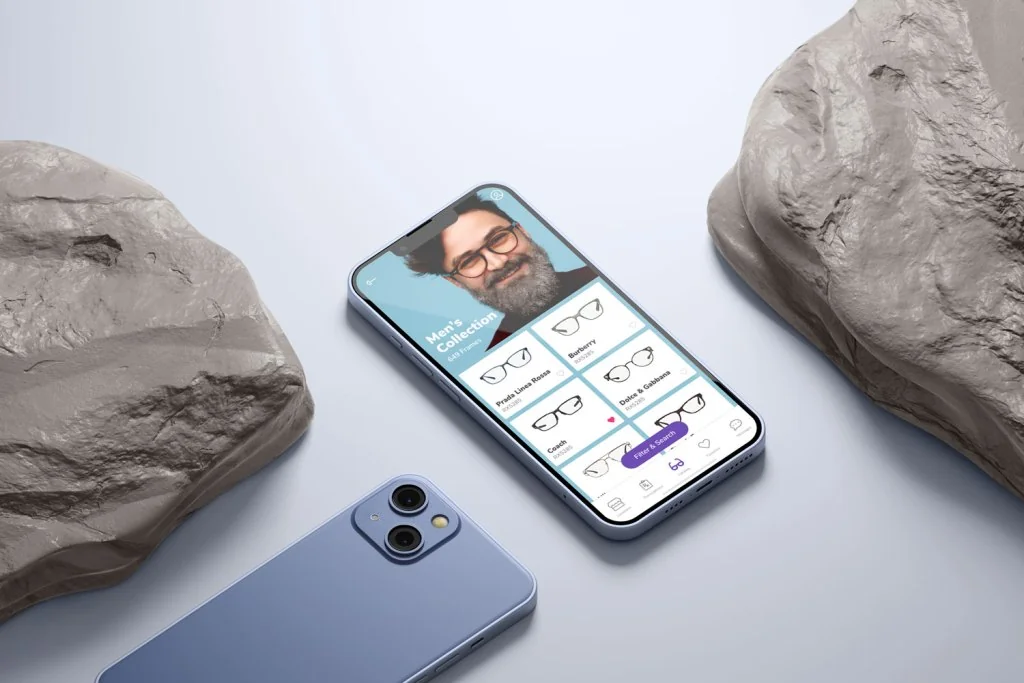
The interaction model emphasized quick filtering, shortlist creation, and a clear route toward a physical visit.
We reviewed design decisions against the intended behavior: helping someone prepare for a confident in-office visit.
Designers and engineers worked through how those interactions would fit participating practices and their day-to-day workflows.
Operational and Technical Validation
Feasibility work tested assumptions around data integrity, workflow integration, and the demands of wider adoption.
I worked with engineers on approaches that reduced manual overhead and the risk of a mismatch between online expectations and the practice visit. Product and technical decisions were considered alongside adoption requirements.
MVP Definition and Rollout Strategy
The initial product scope focused on a reliable version we could evaluate through real use. The rollout plan called for observing behavior and improving the experience in stages.
Reliability mattered because the product connected an online interaction with an appointment in the physical world.
Outcomes
The engagement produced a researched product direction, a value proposition for consumers and practices, a defined initial scope, and a roadmap for phased execution.
Stakeholders had a concrete basis for deciding what to build and how to evaluate it. The work remained a concept-validation engagement.
Reflection
The project reinforced the value of making product scope and operational trade-offs visible before implementation.